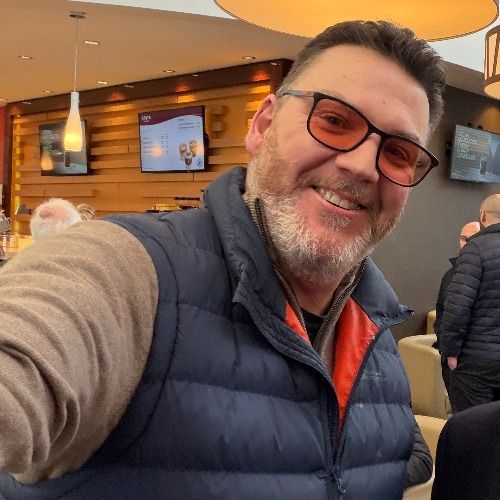
Episode 100
I Mark Episode 100: A Reflection on Purpose, Resilience, and Service
Transcript
Welcome to the Success IQ podcast, the show for entrepreneurs who want to create and live an exceptional life.
Speaker A:I'm your host, Geoff Nicholson, and this is episode 100.
Speaker A:Good morning, good afternoon, and good evening wherever you are in the world.
Speaker A:I truly hope you are having an amazing week.
Speaker A:So we are mixing it up today.
Speaker A:This is the 100th episode.
Speaker A:I can't believe I've already got there.
Speaker A:And I am actually going to be the one on the hot seat.
Speaker A:My good friend and mastermind associate Dave Algeo is going to be doing the hosting of this episode.
Speaker A:Hi, Dave.
Speaker A:You all right?
Speaker B:I'm good.
Speaker B:How are you, Jeff?
Speaker B:How are you as a centenary or centennial or whatever the word is, how are you as 100 episodes old now?
Speaker A:I'm very good.
Speaker A:I kind of woke up this morning going, holy mackerel.
Speaker A:I'm like, this is like the hundredth episode I never thought I'd get.
Speaker B:Hundred.
Speaker A:Yeah, I know.
Speaker B:You're 100.
Speaker B:You'll be getting a telegram from the queen.
Speaker B:You got a telegram from the Queen for that one.
Speaker A:A little bit of trivia is, did you know it's almost two years to the day that I interviewed you?
Speaker B:Really?
Speaker B:Wow.
Speaker A:God.
Speaker B:It doesn't seem like this is the thing.
Speaker B:100 Episodes.
Speaker B:When we.
Speaker B:When we were talking about your podcast and starting it off, it seems like five minutes.
Speaker B:It's unbelievable.
Speaker A:I know.
Speaker B:Unbelievable.
Speaker A:But, yes.
Speaker A:So I am handing over the COVID to shield to you for this episode.
Speaker A:Be gentle.
Speaker A:That's all I say.
Speaker A:And please don't hold it against me or listeners who are listening to this.
Speaker A:But, yeah.
Speaker A:So, Dave, I have a huge amount of faith and trust.
Speaker A:He's a great friend.
Speaker A:So, Dave, the floor is now yours.
Speaker A:Do what you will, gently.
Speaker B:Thank you, Jeff.
Speaker B:And thank you.
Speaker B:And Right.
Speaker B:Well, as you know, we had this discussion around the podcast.
Speaker B:Well, as you said two years ago now, over two years ago.
Speaker B:And I know it's not your first attempt at a podcast, and you've indicated that a few times.
Speaker B:I've listened to every episode and I've seen how you've grown and developed over this journey.
Speaker B:It's been.
Speaker B:It's been exciting to watch.
Speaker B:It's been really interesting to share the journey on the podcast, but also in the Masterminds, when we were discussing how it fits into the, you know, into the bigger picture, what you're getting out of it.
Speaker B:And the thing that's always struck me is you've really enjoyed and loved this journey.
Speaker B:It's really come across not just on the podcast, but in our conversation Outside.
Speaker B:This is something that.
Speaker B:That's really, really become a very important to you, is that.
Speaker B:Is that fair to say?
Speaker A:Yeah, no, absolutely, I think is.
Speaker A:I mean, you know, I'm very open about my dyslexia and stuff, and we've had many discussion during the masterminding about blogging and all of that stuff.
Speaker A:Yeah.
Speaker A:And you have had the unfortunate pleasure of reading some manuscripts for books and stuff.
Speaker A:And, you know, it's.
Speaker A:I needed to work towards my strengths.
Speaker A:And yeah.
Speaker A:Everything I do is about conversation.
Speaker A:Hence why my tagline is just one conversation can create a lifetime of results.
Speaker A:Because to me, that's very much what I do.
Speaker A:It's.
Speaker A:It's a.
Speaker A:It's a conversational piece.
Speaker A:So when I looked at the.
Speaker A:How can I.
Speaker A:How can I create content?
Speaker A:That's going to be a value of the people who are interested in what I do, who want to follow me.
Speaker A:Written is not the way for me.
Speaker A:You know, it's something I still combat, but it's.
Speaker A:Written is not my natural thing.
Speaker A:But I love talking to people.
Speaker B:Yeah.
Speaker A:And I'm naturally interested and inquisitive of what they do.
Speaker A:So to do a show like this was just.
Speaker A:It's just a perfect fit and it hopefully reflects my personality and how I, you know, who I am as a.
Speaker A:As a person as well.
Speaker B:But.
Speaker A:Yeah, it's my third attempt.
Speaker A:The first one lasted one week.
Speaker A:I kind of like looked and went, nah, I'm not doing this.
Speaker A:The second one, I think I did three episodes.
Speaker A:It was called Life Success Radio.
Speaker B:Yeah.
Speaker A:And I think you can probably still find those interviews on SoundCloud or something.
Speaker A:They're probably on my channel somewhere.
Speaker A:But.
Speaker A:Yeah.
Speaker A:And then this one was.
Speaker A:I think I'd just been interviewed by John Lee Dumas on EO Fire, which was probably one of the pinnacle moments for me in sensing this guy actually wants to talk to me.
Speaker B:Yeah.
Speaker A:And then from there I was like, this is just such a great way of doing it.
Speaker A:I'm going to have to get a piece of it as well.
Speaker B:Right now.
Speaker B:Because that was the question that I know we've kind.
Speaker B:We've talked about, but it's useful to look back on for now is what made the difference?
Speaker B:What was it?
Speaker B:What were the key thing or key things that meant that this third attempt worked over the others?
Speaker B:Because one of the things that I've picked up over the time, and yes, you've developed and grown in your role as a podcaster, but I've also known right from the start that you felt you seemed and Came across really naturally.
Speaker B:And that idea of conversation, that's you, that fits you.
Speaker B:And I think this is where.
Speaker B:That's why it seems to have worked from the start in terms of good listening, good learning, and just engaging.
Speaker B:But the John Lee Dumas, is that the one thing or was there anything else that made the difference between those other two attempts?
Speaker A:No, I think if.
Speaker A:If I'm.
Speaker A:If I'm honest, I had to look at it and I went, you know, I have a huge mission that I want to achieve with my career, you know, in helping.
Speaker A:I don't just want to settle for helping people in the northeast of England.
Speaker A:I want to help people around the world.
Speaker A:So for me, I had to think about what.
Speaker A:What is a platform that best suits me and what is the platform that will allow me to, I guess, as well as is passively grow an audience, but also is give people a route to be able to go, all right, okay, I'm going to.
Speaker A:I'm going to connect with Jeff or something like that.
Speaker A:Yeah, yeah, podcast.
Speaker A:The podcasting for me was the natural flow because as you and I both share traits and perfectionism.
Speaker A:Video was really, really difficult to do because I would kind of do a two minute video, but take about 90 takes.
Speaker B:Yeah.
Speaker A:You know, so.
Speaker A:And then writing was just.
Speaker A:And I probably share this in one episode, but as soon as I start writing, Mrs. Campbell is behind me shouting that I'm useless and that I'm stupid.
Speaker A:And it's.
Speaker A:It's just a complete deterrent for me to actually write.
Speaker A:So when I look at it, I go, yeah, okay, speaking.
Speaker A:It comes more natural to me and naturally inquisitive.
Speaker A:So it just works.
Speaker A:And also I read a great book called Turning Pro by Steven Pressfield.
Speaker B:Right.
Speaker A:And it was basically amateur mindset or amateur approach to, I guess, what I wanted to achieve in a pro version of what I would want to achieve.
Speaker A:And what would they do differently to me, an amateur in that mindset?
Speaker A:I was at the time an amateur, just plays.
Speaker A:He does, you know, he does that sort of thing and he dabbles.
Speaker A:I wanted to turn pro, which was you jump with two feet and you go for it.
Speaker A:And you know, you look at things like John Lee Dumas or you look at things like Pat Flynn show or Chris Ducker or all of them, and you just think they have got this amazing following that listen to them every single week.
Speaker A:I want that and I want to be able to make the impact.
Speaker A:Maybe not to their extent, or maybe to their extent, you know, that's.
Speaker A:That's A limiting belief in one aspect, but it's to make that.
Speaker A:To make that impact across the world.
Speaker A:So not because I want to be on the big stage and hey, look at, look at me.
Speaker A:You know, I just want.
Speaker A:I just want people to live, as I say in the show, an exceptional life.
Speaker A:And I think everyone deserves to.
Speaker B:Yeah, yeah.
Speaker B:You've reminded me actually of the conversations around that time when you mentioned that book Turning Pro.
Speaker B:And it's kind of clicked now that it obviously has been and was at the time a real timely book for you, because that combination of, I guess, you know, you'd had a couple of goes at it, so you knew you could do it, but you weren't quite, you know, up and running.
Speaker B:You've been on the John Lee Dumas podcast, which is a massive, massive thing to have achieved, to be honest, mate, doesn't it?
Speaker B:But.
Speaker B:And then you've read a book and it's that combination with.
Speaker B:You really want to make this difference.
Speaker B:And for me, to put it in the context of the people who listen to your podcast or have done over the years, I think this is something that's really important for those who are setting up business or who are struggling in business, is to hear this authenticity and that your story and your, your.
Speaker B:It hasn't been all success, success, success.
Speaker B:There's been challenges, there's been setbacks, there's been times when you've tried and I don't like the word failed, but you know, it hasn't worked.
Speaker B:And that.
Speaker B:But you'.
Speaker B:On.
Speaker B:But it's been a con.
Speaker B:It's been a conscious progression and pushing forward.
Speaker B:Plus, things that happen in life, you know, that kind of just tip you one way rather than another.
Speaker B:And I think that's really important for everybody to realize is that if they're in that position, they're kind of.
Speaker B:They can relate to you on that one.
Speaker B:Because it is about not giving up, not packing in, not thinking I'm useless, I'm this.
Speaker B:But keep searching, keep pushing forward, and eventually it'll come.
Speaker A:Yeah, well, I think is as well as you bring up a good point, because I think a lot of.
Speaker A:I know when I first started out on this, once I'd recovered and I started out in this journey and I, you know, you look at the Jack Canfields and you look at the Tony Robbins and an awful lot of those other people, and there's a.
Speaker A:There's a disconnect because you look at them going, you know, they are so far ahead of me.
Speaker A:How the heck can I even achieve A percent of what they are doing.
Speaker A:And for me, there was always that sort of that disconnect going.
Speaker A:And, you know, I was mentored.
Speaker A:I spent a year with Jack Canfield, which was one of the best experiences I've ever had in my life.
Speaker A:But I kind of, like, looked at that and I went.
Speaker A:It's not.
Speaker A:For me, it's about being.
Speaker A:It's not that they're not personable, but I just want to be.
Speaker A:I want to be that personable person that people can connect with and go, you know, he's gone through shit and he's come out the other side.
Speaker A:And I am a far better person because I acknowledge that I went through that crap.
Speaker A:I acknowledge that there was a hell of a lot for me to learn and do, not only in business, but in myself.
Speaker A:And I was determined from that point, mainly selfishly, to be an example to me, but to be an example to my kids.
Speaker A:And that's, you know, that's ultimately why I started this, was because for me, that is a big part of it.
Speaker A:I want my kids to live their best version, so I have to do that as well.
Speaker A:So when I challenge myself, you know, and don't forget, that book took me a long time to read, which you and Si very kindly went through it about three hours flat.
Speaker A:But it took me an awful long time to read that book.
Speaker A:But there were certain things, and I think we all had those moments.
Speaker A:There's certain books in our lives that, like, speak to us on a different level.
Speaker B:Yeah, yeah.
Speaker A:And it's.
Speaker A:It's making sure that we don't just read it once.
Speaker A:It's going through and going through that a few times.
Speaker A:And that book just gave me a swift kick up the backside to go.
Speaker A:Okay, Jeff, if you.
Speaker A:If you want this, if you want to serve people and help them, you need to get off your ass and you need to do something to get it to that point.
Speaker B:Okay.
Speaker B:And that's really good because over the last couple of years, you've.
Speaker B:I mean, to be fair, you've put that into practice brilliantly because you've just shown over two years, 100 episodes that those.
Speaker B:Those key kick up the backsides, as you call it, are a really good starting point.
Speaker B:But the thing is, some, we all possibly find ourselves in those positions where we might get the kick up the backside.
Speaker B:But how do you maintain the momentum?
Speaker B:I'm guessing that you've had.
Speaker B:You've hit some kind of.
Speaker B:With a physical obstacle, you know, any kind of obstacle, whether it's financial or psychological obstacles.
Speaker B:Where you think, is this worth it?
Speaker B:What's the point?
Speaker B:Why am I doing this?
Speaker B:Have you ever had any of these on this journey?
Speaker B:And what did you do?
Speaker A:Oh God, yeah.
Speaker B:I mean, to continue.
Speaker A:Yeah, I think, I think fundamentally my default is I've been through worse.
Speaker B:So, right.
Speaker A:I am, I'm going to say fortunate.
Speaker A:But you take it into the content.
Speaker A:It's meant to.
Speaker A:I am fortunate that I have gone through worse and that when people are panicking about certain things in their lives, it's because they've never experienced anything worse.
Speaker A:So I can sort of look at that and don't.
Speaker A: and that sort of thing since: Speaker A:So.
Speaker A:But I think the.
Speaker A:My first default is Jeff, I've been through worse.
Speaker A:My second one, regardless of how fluffy it sounds, because I really don't care.
Speaker A:It is.
Speaker A:I was put on this earth to do this.
Speaker A:I once did this.
Speaker A:I don't know what the actual process was, but I once did this process where I was asked to imagine that the, to think of the word that came to me the most was what is it that I want to do?
Speaker A:And the two words that came up really close were inspiring.
Speaker A:Empower.
Speaker A:So the empower one was the, the first one.
Speaker A:And the exercise was now imagine that that word and everything that is linked to that word has been wiped off the face of the earth.
Speaker A:It doesn't exist.
Speaker A:It just, it's not there.
Speaker A:What do you feel when you do that?
Speaker A:And I'm not ashamed to admit I just burst into tears.
Speaker A:I just felt absolutely empty inside.
Speaker B:Right.
Speaker A:That to me is how I know that I'm on the right course and I understand that.
Speaker A:You know, I've had a grandfather who was very successful in business and it, you know, it.
Speaker A:I used to watch him.
Speaker A:My father in law was a successful businessman.
Speaker A:I used to know.
Speaker A:I watched him.
Speaker A:And success is, you know, there's a saying that I love success comes after hard work, even in the dictionary, you know.
Speaker A:And something just clicked with that quote at 1.
Speaker A:It's just typically me because it's slightly witty but you know, but it's true.
Speaker A:And I think we.
Speaker A:You can get trapped in this industry by thinking, well, everything's just rah, rah and you know, everything's great and life just shows up and how it's supposed to, but you've got to work bloody hard to get where you want to be.
Speaker A:And my mission when I went through my, my dark moment was I'm going to.
Speaker A:Whatever it takes is.
Speaker A:I'm going to get out there and I'm going to help people and make my life better and make their life better.
Speaker A:So that was.
Speaker A:And so the motivation, probably.
Speaker A:Yes.
Speaker A:Has been a load of triggers.
Speaker A:Yes.
Speaker A:It's been, you know, financial struggles, as every business owner will have.
Speaker A:There's emotional struggles where you've got certain people who, you know, don't necessarily understand what you're doing because there's, there's.
Speaker A:Because they just don't see your vision.
Speaker A:There's, you know, there's.
Speaker A:And I've worked very hard to make sure that I've got the right people around me.
Speaker B:Yeah.
Speaker A:That support me, but also hold me accountable and kick me when I'm.
Speaker A:When I need it, because I'm.
Speaker A:I'm letting myself down and they know that I'm more capable of stuff.
Speaker A:So I think they're the real, the real big ones, if that answers the question.
Speaker B:Yeah.
Speaker B:And I'm going to pick up on one thing, but just.
Speaker B:I think it might be worth.
Speaker B:Because we're not talking about it in this episode.
Speaker B:Your.
Speaker B: been on in life you mentioned: Speaker B:You do talk about that in more detail in your earlier podcasts.
Speaker B:Podcasts.
Speaker B:One, two.
Speaker A:I think it's the origin story.
Speaker A:So it's episode zero.
Speaker A:So it'll be the very first episode of the show.
Speaker A:Yeah.
Speaker B:Okay, cool.
Speaker B:Because I think it's worth just if, for anybody who's joining us who might just be picking this up, to know that we're not just, you know, there is a significant journey you've come through and some massive things that you've overcome through that determination and that sense of meaning and what have you.
Speaker B:And I think picking up on that sense of meaning or purpose, it's talked about a lot.
Speaker B:Find your purpose, find your passion and all that kind of thing.
Speaker B:And to some point it becomes.
Speaker B:Where you say that word over, it becomes meaningless.
Speaker A:Yes.
Speaker B:But there is still definitely something there.
Speaker B:Well, behind every cliche, there's a bit of sense.
Speaker B:There's a bit of truth, isn't there?
Speaker B:I mean, that's, that's one of the things I tend to find or unbelief.
Speaker B:But if we look at that for somebody who may be in business now or about to embark on it, there are times when you will suddenly find yourself lost or disconnected from why you're doing it.
Speaker B:And, you know, we've had conversations, I've certainly had that experience, etc, and it can be really disoriented.
Speaker B:It can be really demoralizing.
Speaker B:You can have all the.
Speaker B:Sorry, all the time, all the finances, all the determination in the world.
Speaker B:But if you start to lose that sense or you've lost it for whatever reason, that's really changing.
Speaker B:How do you.
Speaker B:From your experience, I know you're a coach anyway, so you work with a lot of people on this, but for you personally and any advice, how do you help somebody or how does somebody help themselves to reconnect with their why or shift to whatever their new purpose is?
Speaker B:It might be a change of direction, whatever, but how do they reconnect with that?
Speaker A:Yeah.
Speaker A:So I think the.
Speaker A:I think the first thing is, is they have to make sure that they're.
Speaker A:They.
Speaker A:I call it a natural gift assessment.
Speaker A:So what is it that you're.
Speaker A:Now, this is not to say that everyone who has natural gifts should go and go out and start on their own business.
Speaker A:For me, purpose is about what do you have to bring into your life to make it exceptional.
Speaker A:So it might not be anything to do with starting your own business.
Speaker A:What it's about is it's ultimately, for me, purpose is about joy and fulfillment.
Speaker A:So, you know, many entrepreneurs that I interview, in fact, I don't know any that don't love what they do, but they can get disconnected about and the complexity of how is it that they do what they do, you know, whether it is, am I supposed to be writing blogs or doing a book or creating, you know, this or going out and doing that.
Speaker A:And we can get disconnected because we're overwhelmed, because there's so much stuff that we need to do.
Speaker A:And with the natural gift assessment, what we're actually doing is we're just stepping back for a second, taking a different perspective and going, okay, what is it that we're good at?
Speaker A:You know, naturally skilled, you know, skillful art.
Speaker A:What is it we're good at?
Speaker A:So I identified for me that I naturally am inquisitive and want to talk to people.
Speaker A:I love making connections like that.
Speaker A:And I just had to have this.
Speaker A:And, you know, I went through my dark moments, so I was even more motivated to go then.
Speaker A:I.
Speaker A:If I'm good at that, then I need to spend my.
Speaker A:My life helping people to achieve that version for themselves without the dark moments, because I don't want to see people going through the heartache now for that.
Speaker A:There's more.
Speaker A:There's.
Speaker A:There's a.
Speaker A:There's a sort of epic transformation.
Speaker A:For me, it was almost like my own version of Lord of the Rings.
Speaker A:You know, I had to go out there and, and deal with the monster in order to come out a better thing.
Speaker A:But the.
Speaker A:For many people, it's just to take a step back and going, well, what.
Speaker A:Why are you doing what you're doing?
Speaker A:You know, why did you decide to do X?
Speaker A:Because, you know, we all talk about the Y is kind of like the same thing as the passion and purpose thing, you know, but, you know, Simon Sinek does it really, really well.
Speaker A:It's, it's about, you know, why is it that you want to do what you do now the first thing maybe is, well, I want to give, you know, I want to make money.
Speaker A:You know, let's just say that's an argument thing.
Speaker A:To me, there is always a deeper level of why you want to make money.
Speaker A:Sometimes people just superficially look at that and go, no, no, that's why I'm going to do it.
Speaker A:Because I can see so and so making a fortune doing X.
Speaker A:We need to get more emotional power, more stuff behind that to go.
Speaker A:This is the.
Speaker A:Because that is the thing, the thing deeper than financial gain or whatever, that is the thing that is going to push you forward while you are going through your troublesome times, you know, because if it's like, well, I'm not making money and there's nothing really to cling on to, you're just going to let go and you're just going to go off and you're going to do something else.
Speaker A:But if it's that thing that you're on the cliff edge and you're going, no, I'm holding on by my hand.
Speaker A:I'm holding on by a finger.
Speaker A:I'll hold on by a bloody fingernail if I have to.
Speaker A:I'm not letting go of that.
Speaker A:There's a motion behind that.
Speaker A:There's, there's a deeper drive that's going, okay, you'll use your teeth to stay on that cliff if you have to stay on that.
Speaker A:So it's, it's looking, it's looking at those sort of things.
Speaker A:And also, you know, let's be serious, David.
Speaker A:If it's not you, be okay.
Speaker A:You know, it's the, what you, sometimes you think is your purpose isn't.
Speaker A:I thought my purpose was running my, my grandfather, you know, being part of the, the management team for running for my grandfather.
Speaker A:Sweet business.
Speaker A:Turned out I couldn't stand when I worked there.
Speaker A:And my grandfather did the best thing he ever did was he said go.
Speaker A:He actually said that with a few more choice words, but he actually said, you know, go.
Speaker A:And that Was the, yeah, the best thing he's ever, ever done for me.
Speaker A:I didn't think that at the time, but you know, I think this, it's about this reflection point and sitting down and being honest with yourself.
Speaker A:It's about letting go of the ego and going, okay, well what does this actually mean for me?
Speaker A:And be okay if what you thought you were doing, it ends up not being the right thing.
Speaker A:I think that also then falls in line with making sure you've got a plan.
Speaker A:You know, often, you know, making sure that you have a plan.
Speaker A:I'm not always a fan of doing a full life plan because I think life is so fluid.
Speaker A:You learn new things.
Speaker A:And that plan that some people will go, no, I need to stick to this just becomes a, a negative barrier rather than something that's been really positive.
Speaker A:I think looking at it to one year to five year plan of this is what I want to do in all the different areas of my life.
Speaker A:At least that helps guidance.
Speaker A:And if you got to keep revisiting that and so many people don't have a plan.
Speaker A:I mean all the times I've spoken at events and asked the question about, you know, how many people plan their two week holiday more than they do their life.
Speaker A:It is astounding how many people put their hand up and say, yeah, I actually don't have a plan of what I want to do.
Speaker A:Well, if you don't have a plan of what you want to do with your life, how the hell do you know where you're going?
Speaker A:And even worse when you are co off track, how do you know?
Speaker A:Because you've got nothing to come back to to sort of plant that anchor in the, in the ground and go, okay, I know exactly where I need to be.
Speaker A:And I think that that links to that purpose and passion thing.
Speaker B:Yeah, it does.
Speaker B:You, you've picked a couple of things.
Speaker B:So I'm gonna, if I can pick a couple of things out.
Speaker B:One is you talk about overwhelm and that overwhelm is I think part.
Speaker B:There's so many things we feel as if we should do and I don't.
Speaker B:We talk, we use in business.
Speaker B:But I often think being is a bit of a metaphor for life in general.
Speaker B:There's lots of shoulds.
Speaker B:I should be this, it should be that.
Speaker B:I should be better at that.
Speaker B:I should be doing more time with, spending more time on that.
Speaker B:And that gives you a sense of overwhelm which can confuse you, just defeat you, make you feel sort of low morale.
Speaker B:And as you said, disconnect you from purpose.
Speaker B:I think that's important.
Speaker B:So that's, you know, it's knowing when you're feeling that overwhelm and stepping away.
Speaker B:And you said a couple of exercises which is to get back to looking at your strengths and your gifts and, and just starting to look at things from a different perspective.
Speaker B:And I think that's a really useful approach as well.
Speaker B:The other thing is this idea of giving yourself permission to sort of to step away from the purpose completely because as you said it's not, may not be being yours in the first place.
Speaker B:It's kind of who said I have to be or this.
Speaker B:And we often talk to ourselves in so many different ways with other people's expectations and requirements.
Speaker B:And I think you've, you've hit the nail on the head for a few of those things which ties into the plan because the plan, if you over plan it becomes rigid.
Speaker B:That's something else that could be something you stick to irrespective of the fact that you realize it's not your purpose.
Speaker B:So there's a flexibility, there isn't, there's ability to spot when you're overwhelmed.
Speaker B:Step away, reflect, change your perspective, give yourself permission to drop or change your purpose and not be so rigid.
Speaker B:So I think some really useful and powerful stuff there for people to take away on that.
Speaker A:Well, I think yeah, because ultimately you know, life is fluid, life is constantly moving forward.
Speaker A:So if you, if you fall into that trap and going no, I am a super details person and you know, you've got two ends of the scale.
Speaker A:You've got let's say the ultimate creative which is free flowing and nothing's got structure to it at all.
Speaker A:All the way to let's say the complete analyst who has to have everything written down down to the point zero of an action.
Speaker B:And you've, you know me too well.
Speaker A:And both of them have their merits but not when you're one or the other.
Speaker B:You've got to kind of like the rigidity, isn't it?
Speaker A:Exactly.
Speaker A:Yeah.
Speaker A:Because when I first did this it was, you know, I had the tenure, I had the full life plan, I had everything written down.
Speaker A:This is what I wanted to do.
Speaker A:And what it began to do is I'm not making that decision on that or I'm not doing X because that is not in my plan.
Speaker A:But that could have been one of the best decisions I've ever made to do that.
Speaker A:And you brought a good point up is we are, many of us are running a pattern that was instilled in Us from our parents or other important, influential people of that time.
Speaker A:And when you are doing that, you are actually.
Speaker A:And it's all been for the, you know, hopefully majority of us, it's all been for the best reasons, but actually is they're disconnecting for you, you being able to discover who you really are.
Speaker A:And I think is.
Speaker A:Is when you can.
Speaker A:I don't believe anyone necessarily.
Speaker A:No, well, no, I don't.
Speaker A:I don't believe anyone needs to be stuck in a job they hate.
Speaker A:I think there's plenty of jobs out there.
Speaker A:I think fear stops them from looking because.
Speaker A:And that's, you know, a legitimate fear.
Speaker A:But, you know, if you're in a job that you are doing because you absolutely hate it, there is very.
Speaker A:Is a very slim chance that you will ever achieve the fulfillment or a level of happiness in your life because you start to believe that this is all there is.
Speaker A:And you just don't start reflecting and you don't start tapping back and going, actually, what is it that I want with life?
Speaker A:And the only time you will change, which is the same as what I thought at my period of time was, the only time I would change was when I hit that brick wall.
Speaker A:Metaphorically and physically, that is the most people will only change when they hit a brick wall.
Speaker A:What you see is, is throughout the, even throughout the episodes on this show, all of the people that I'm interviewing are proactive.
Speaker A:So they take charge of what they are doing.
Speaker A:They don't let life steer them in a way that they don't want to go.
Speaker A:Certain things happen, you know, that's.
Speaker A:That's just the way it is.
Speaker A:But they, they take charge and give their life direction, meaning and purpose because they are deliberately doing something different than perhaps the flow would take them.
Speaker A:So for me, it's that.
Speaker A:It's that, no, I'm going to set the direction.
Speaker A:If it means I've got to go upstream against the current, so be it.
Speaker A:Bring it on, you know, And I think that's the thing.
Speaker A:It's having the courage and the tenacity to do that.
Speaker B:Yeah, I think you've identified something as well, you know, in terms of somebody unhappy in their job.
Speaker B:It's how often are.
Speaker B:We haven't been unhappy for a lot of years in a previous role.
Speaker B:It's how often do you just go on almost by default staying there rather than consciously confronting that unhappiness and making decisions?
Speaker B:Because the right decision might be to stay in the job, but to change certain things about how you do what you do.
Speaker B:Or other things in life.
Speaker B:But how often do people not consciously face up to that or consciously confront that decision?
Speaker B:And it's that decision by default that I think comes across loud and clear.
Speaker B:And a lot of the guests that you've, that you've interviewed, that they, yes, they've faced tough times and there may be things that they've had to accept in certain, you know, depending, certain realities of the world, etc, but they've taken a proactive approach to that, which kind of just on that, in terms of your guests, I'm gonna put you on the spot here because we haven't really rehearsed.
Speaker A:No, no, we're winging it.
Speaker B:Questions we're doing here.
Speaker B:I have got you in the hot seat very shortly though.
Speaker B:I've got your questions that you ask everybody else, so prepare yourself for that.
Speaker B:Before that, is there a guest that you've had on that kind of jumps out as, you know what.
Speaker B:And it doesn't necessarily need to be one of your bigger names because you've had some big names on your, your podcast, you know, in terms of in, in their world, whatever that is.
Speaker B:But that has really resonated with you.
Speaker B:That's kind of just thought, oh my God, that makes so much sense.
Speaker B:Or that's changed something significant for you.
Speaker A:Well, okay, okay.
Speaker A:There's a pause, people.
Speaker A:Right, well, what I'm going to say, because it's my show, I'm going to say this.
Speaker B:All right, there's.
Speaker A:And, and I have to say they are, they are the big names, but they've had either an impact on me before I got to interview them, or there is something about them that just is.
Speaker A:They are something special as a human being.
Speaker B:Yeah.
Speaker A:So Stu McLaren, yes, I absolutely think he is brilliant for many things, but he was the sort of the, the big hitter.
Speaker A:I think it was episode seven or eight or something that he was on the show on.
Speaker A:And there was a few things with that one that got me that made it a special thing.
Speaker A:First of all, I was sitting in that.
Speaker A:I think I've talked about this with you.
Speaker A:I was sitting in the lounge going, God, I would love to get this guy on the show.
Speaker A:Because there'd been other people that said, no, you're not.
Speaker A:You're not good enough isn't the right word.
Speaker A:But you don't have the social or anything like.
Speaker A:Yeah, and I was like looking and I was sitting and I'd watched one of his videos because Stu McLaren comes across as a extremely authentic, family driven entrepreneur who wants, who is enjoying life And.
Speaker A:But doesn't believe that everything has to be about hustle, which I think that word has been seriously misused and has a negative effect.
Speaker A:But that's a whole nother episode.
Speaker A:And I was looking at what he does, and I saw him host Michael Hyatt podcast season, and I just went, I'd love to get him on the show.
Speaker A:And my youngest son, who was 15 at the time, went, well, why don't you just text him?
Speaker A:Why don't you message him?
Speaker A:And I go, I can't do that.
Speaker A:That's Stu McLaren.
Speaker A:Stu McLaren doesn't allow people to do that.
Speaker A:And he went, well, just Facebook message him and ask him.
Speaker A:And I was like, holy hell.
Speaker A:My son is giving me a lesson in, you know, letting go of certain fears and everything else.
Speaker A:So I met Facebook, messaged him as the fastest response I've ever had from any guest on the show, saying, yes, I'd love to.
Speaker A:Here's an email to sort it out.
Speaker A:And it was just unbelievable because it taught me so many different things.
Speaker A:But having him on the show was brilliant because it was.
Speaker A:He is.
Speaker A:He is what I.
Speaker A:Or how he lives his life and runs his business and stuff have.
Speaker A:Is how is one of my aspirations to have with mine.
Speaker A:It impacts thousands.
Speaker A:He's got a great relationship with his.
Speaker A:With his.
Speaker A:With his family and his kids.
Speaker A:He's a lovely, personable person that, to me is, you know, okay, there's.
Speaker A:There's something to go for there.
Speaker A:Yeah, so that.
Speaker A:So I would definitely say he was there.
Speaker A:Another one is Chris Ducker now.
Speaker A:Chris Ducker.
Speaker A:It was probably last year, actually.
Speaker A:I read Virtual Freedom when I was going through a challenging time through work, and I remember listening to some certain phrases and I can't quite remember what they are.
Speaker A:And I was coming down the M6, I vividly remember near T Bay service station, and there was something that clicked, and I was like, okay, I'm going to change how I do my.
Speaker A:I'm going to change how I do my business.
Speaker A:I'm going to change certain things.
Speaker A:And that was probably one of the biggest positive impacts I've had on my.
Speaker A:On my life and on my business and how I wanted to deal with stuff.
Speaker A:I realized that I didn't have to trade just time for money.
Speaker A:I could look at other solutions.
Speaker A:I could get other people on board without feeling that I'm losing any control.
Speaker A:And he is such.
Speaker A:He comes across as a lovely guy.
Speaker A:I love his content that he does.
Speaker A:You know, it's one of my goals on my bucket list of shows I would love to be a guest on his show.
Speaker A:So, Chris, if you're listening, which I doubt, but, you know, so, so that was something as well.
Speaker A:And the final one is a guy called Derek Mills.
Speaker A:So, Derek I met years ago at a.
Speaker A:It was a meeting for Evolutionary Business Council and I was asked to be one of the founding members in the US a couple about 10 years ago, any, something like that.
Speaker A:And I met him and I've never met such an authentic, humbling, honest person who just naturally wants the best for you.
Speaker A:And he actually showed me that I've.
Speaker A:For a long time I've grown up with a belief that I can't help people and, and make a good income.
Speaker A:So there was that, there was that challenge of, no, if I'm helping people and serving people, I've got to do it for next to nothing.
Speaker A:And that was, you know, it's not beneficial to any, any person, woman, man, beast, whatever, to have that attitude.
Speaker A:And I spoke to him and I read his book and he has, he talks about, in his book, you know, rock Bottom, you know, all of this sort of thing, sleeping in his office and working hours every hours God sends and how it affected his life.
Speaker A:And then he does something called standards.
Speaker A:And in his book Ten Second Philosophy, he talks about personal standards, which are basically, these are the rules that I'm going to live by.
Speaker A:And nothing can, nothing will sway me from it.
Speaker A:It's almost like the 10, your personal 10 commandments.
Speaker A:And he completely changed his life.
Speaker A:And we, we chat.
Speaker B:He's.
Speaker A:He's mentored me on certain things, although he probably wouldn't know he's mentored me.
Speaker A:And he has been a huge impact on, on me saying that you actually can have.
Speaker A:And Stu McLaren and Chris as well, to go, actually, you can have both.
Speaker A:You can do both.
Speaker A:It's just how you do it in a, in a, in a beneficial way.
Speaker A:And one, with my definition of success, it has to be a key thing that both of us win or there's no point in doing it.
Speaker A:So, yeah, although it's been one book, I've answered three.
Speaker B:Well, no, that's fine.
Speaker B:To be fair, they're all.
Speaker B:There's a common thread that comes through in your answer with those three, that they're all striving for a life that, or working towards or living a particular way which balances that kind of success in what we would see as a traditional way.
Speaker B:The financial, business, whatever, but also with family.
Speaker B:They're genuine, authentic people who've been through their troubles and challenges and See it differently now.
Speaker B:And I think that's something that's come across or comes across not just in your answers there, but in, in, you know, the podcasts over the last couple of years.
Speaker B:Here's my next question that you weren't expecting.
Speaker B:Who would be your dream guest?
Speaker B:Come on, then.
Speaker B:If you, if today is the time to put it out there and somebody was to listen to this, who do you want on the podcast that you would think, no way.
Speaker A:I'm gonna have to say Tim Ferriss.
Speaker B:Tim Ferriss?
Speaker B:Yeah.
Speaker B:You know something?
Speaker B:I just knew it would be Tim Ferriss.
Speaker B:I mean, I'm assuming most people know Tim Ferriss who are listening to this.
Speaker B:If you don't, for our work week, four hour buddy, etc.
Speaker B:Just go on, tell me why.
Speaker A:Tell them.
Speaker A:I think no Tim Ferriss, because actually, do you know what I've got in my journal?
Speaker A:I've got 23 people I would love on.
Speaker A:Tim Ferriss is at the top.
Speaker B:Yeah.
Speaker A:Because he's just an amazing character.
Speaker A:He's very pragmatic.
Speaker A:He's.
Speaker A:But he's very meticulous in his collection of data to, to then that he.
Speaker A:I don't know, is it, is it disseminate?
Speaker A:Is that the right word?
Speaker A:Disseminate?
Speaker B:Well, I might be using a bigger way.
Speaker B:Certainly analyzes it, doesn't he?
Speaker A:Yeah, so he analyzes it and then he spreads it out to people in a very simple form.
Speaker A:And you know, when, whenever I see him, I was watching him just the other day on Chase Jarvis's show, who's another guy I think is absolutely brilliant, and he's just got this, no bs, this is what, this is what I'm doing.
Speaker A:There's most of his books I haven't read 20, you know, four week chef or whatever, but I've read the other ones.
Speaker A:I've got his, you know, tool of titans and tribe of mentors on the, on the bookshelf to go through, and he just has this really amazing way.
Speaker A:That's not to say I wouldn't do everything that he does because, you know, he sometimes goes out there.
Speaker A:But I just, I just think he is.
Speaker A:I would love.
Speaker A:Not only would I love to interview, I'd just love to be able to go, can I sit down, have a coffee with you?
Speaker A:Even for five minutes?
Speaker A:Just, you know, he's that sort of guy now.
Speaker A:He.
Speaker A:Whether that's a reality and that's what he is like, I would like to think so.
Speaker A:But definitely the way he comes across in his, in all of his stuff, that's that's definitely someone I would love to have.
Speaker A:And he asks the best question in the world.
Speaker A:What would it be like if it was easy?
Speaker B:Yes.
Speaker B:That's a deceptive, deceptively hellier, simple sounding question.
Speaker B:But it makes you think, doesn't it?
Speaker B:Yeah.
Speaker A:Wait until you answer it.
Speaker B:Yeah.
Speaker B:What would it look like if it was easy?
Speaker B:Yeah.
Speaker B:Wow.
Speaker B:Yeah.
Speaker A:You know.
Speaker B:Yeah.
Speaker B:As somebody who tends to over complicate things, that's something that I have to keep reminding myself of.
Speaker B:So, so Tim Ferriss then.
Speaker B:Tim Ferriss, if you're listening, if you're listening, get in touch with Jeff or send, send a message.
Speaker B:Just wait for the shout out at the end.
Speaker B:Get in touch.
Speaker B:Mr. Ferris, please, please, Mr. Ferris.
Speaker B:Yeah, no, brilliant.
Speaker B:Right, so we've got 100 episodes in.
Speaker B:You've, you've, you've had a range of guests, brilliant guests.
Speaker B:You've had some that have really struggle chord with you and resonate with you.
Speaker B:You've still got people that you want to reach those 23.
Speaker B:And Tim Ferriss is at the top.
Speaker B:But now what I want to do is put you, Jeff, in the hot seat.
Speaker A:Right.
Speaker A:Okay.
Speaker B:Okay.
Speaker B:Because you're always doing it with everybody else.
Speaker A:I am.
Speaker B:Right, it's your turn.
Speaker B:All right, now you've probably answered a couple of these questions, so there are seven questions.
Speaker B:I will.
Speaker B:We'll see how time goes.
Speaker B:Okay, but you've indicated a couple in sort of favorite books, etc.
Speaker B:But the first question is, are you ready?
Speaker B:Firstly, are you ready?
Speaker A:Yeah.
Speaker B:Good, good.
Speaker B:Right, the first question then.
Speaker B:How much time do you spend on self development?
Speaker A:About two hours a day, minimum.
Speaker B:Right, so what, two hours a day, what do you do with that?
Speaker B:What's that?
Speaker A:Consistency.
Speaker A:So that consists of my journaling routine, which I've Talked about in 96, I think it was journaling, meditation, listening to audiobooks, podcasting, watching, training seminars.
Speaker A:I'm a huge, huge fan of Creative Live, which is a great resource if no one's ever heard of it.
Speaker A:So anything that I can, I'd struggle with the reading side.
Speaker A:So I always, I'm listening to audiobooks, but generally when I go for a walk or something like that, but that's, that's really what it encompasses.
Speaker A:Every single day, I'll do something.
Speaker B:Right, cool.
Speaker B:So.
Speaker B:So, because there was a lot of things there.
Speaker B:You don't.
Speaker B:Correct me if I'm wrong, but you don't try to cram all of those things into every two hours.
Speaker B:No, they're just different.
Speaker B:No, no, no.
Speaker A:If I'm in The car and the kids aren't with me.
Speaker A:Actually, sometimes when the kids are with me, bless them, they will.
Speaker A:They will have some sort of personal development thing going on because the.
Speaker A:Actually, this was another thing Derek.
Speaker A:Derek Mills talked about.
Speaker A:He used to listen to it all the time on the school runs with the kids.
Speaker A:They learn through osmosis, so even when they're trying to ignore it, they can't help it but listen to it.
Speaker A:So it's.
Speaker A:I try not to do the sort of.
Speaker A:The real deep stuff, but I'll have.
Speaker A:I'll have all have podcasts on like, Tim Ferriss and stuff.
Speaker A:And my youngest, Josh, he was listening to Tim Ferriss the other day and he was like, oh, that is really cool.
Speaker A:So I'm going to try that.
Speaker A:No, my job is done as a father starting to like single.
Speaker B:Yeah.
Speaker A:But, yeah, so.
Speaker A:So, no, I don't try and I don't.
Speaker A:I'm not rigid in going.
Speaker A:It has to be two hours a day.
Speaker A:It's just generally how it works out.
Speaker A:I don't watch a huge amount of tv.
Speaker A:I'm always doing something to improve myself because I have to be the.
Speaker A:I have to be an example.
Speaker A:If I'm not doing what I'm trying to teach or.
Speaker A:Or show people to do, I'm a fake.
Speaker A:And that's, you know, that's.
Speaker A:That's not me at all.
Speaker B:Yeah.
Speaker B:And I think that's an important motivation.
Speaker B:But I'm sensing, to be fair, I know you, that it's not just because of.
Speaker B:Out of that sense of duty.
Speaker B:It's because you love it.
Speaker A:I do absolutely.
Speaker A:Live and breathe it.
Speaker B:Yeah, yeah, yeah, yeah.
Speaker B:It's.
Speaker B:It's genuine.
Speaker B:It's not that you almost get this time in you.
Speaker A:No, no.
Speaker B:You genuinely love this.
Speaker B:Development, growth, thinking, learning.
Speaker B:Yeah.
Speaker B:Okay.
Speaker B:Are you ready for question two, then, Howie?
Speaker A:Then let's go.
Speaker B:What's your favorite personal development book?
Speaker B:Now, we've talked about a few, but can you nail one to the.
Speaker B:To the mast?
Speaker A:Again, I'm going to cheat.
Speaker A:I'm picking two.
Speaker A:The Alchemist by Palio Coelho.
Speaker A:Well, again, think of me as challenging your perfectionism as well.
Speaker A:So the first one is the Alchemist by Palio Coelho.
Speaker B:Yes.
Speaker A:Mainly because, again, that talks about purpose and passion, but the story that it weaves talks about how people are dragged off track.
Speaker A:But there's something deeper moving them to a different way.
Speaker A:I generally read that once a year, and I've got the audio version of it now.
Speaker A:I will read that one.
Speaker A:Just be.
Speaker A:It's Even for me, that's a simple.
Speaker A:Read that book.
Speaker A:But it's just something that allows me to have time to go through it on a day.
Speaker A:And I've probably gone through about two.
Speaker A:Two books of them because I'm writing notes or putting stuff on them.
Speaker B:Right.
Speaker A:And the other one that I found extremely moving was the Last Lecture.
Speaker A:By now, yes, forgive me if I pronounce his name wrong, but it's Randy Posh.
Speaker A:P, A, U, S, C, H. I think it's.
Speaker A:That is.
Speaker A:It's a very sad book because he's writing it because he's basically not got long left to live, and he's giving his last lecture.
Speaker A:And it is a truly amazing book and just gets you to remember what the hell you're doing all of this for.
Speaker A:And taking a step back and going, we can sit here.
Speaker A:And I've worked with clients who are sitting there going, no, no, it's business, business, business.
Speaker A:And.
Speaker A:And I went, she's not.
Speaker A:You know, because while you're focusing on your business, what's happening with your family and your kids and what's happening with yourself and your health?
Speaker A:Because, you know, for me, I fortunately, did not go through what this guy's gone through, but I had my own version.
Speaker A:And it's.
Speaker A:I don't wish that crap on anyone to go through.
Speaker A:I mean, I lost, technically six years of my life.
Speaker A:There's periods of time where my wife and my kids will talk about, and I'll go, I don't even remember that.
Speaker A:I don't have a clue what you're talking about, because I wasn't there.
Speaker A:And it's heartbreaking as a.
Speaker A:For me as a person, to think that there's an element where I let myself get to that point.
Speaker A:Now, obviously, he didn't, but there's an.
Speaker A:You just got to take a stop for a second and go, remember why you're doing this.
Speaker A:Not just keep your head down and move forward.
Speaker A:Because just because you may go through 1, 2, 3 brick walls doesn't mean there'll be a brick wall on the other side that's bigger and bigger and badder than you are.
Speaker A:And I think that that book's what that teaches me.
Speaker B:Yeah.
Speaker B:Cool, right?
Speaker B:Two.
Speaker B:Two good books.
Speaker B:I've read them both, and I've enjoyed them.
Speaker B:The both of similar reasons, really.
Speaker B:So the third question is, now I'm gonna say what you say.
Speaker B:What's your favorite app?
Speaker B:You can't say Evernote.
Speaker B:I can't believe you're asking me this.
Speaker B:Can't say evernote.
Speaker A:Because Evernote was literally gonna be the.
Speaker B:One I was gonna say, but I've heard you say it to other guests, so you're not allowed to say Evernote.
Speaker A:Swine.
Speaker A:Oh, okay.
Speaker A:Well, I'll edit the pause.
Speaker A:What is my favorite app other than Evernote?
Speaker A:I'm gonna have to say respite.
Speaker A:Wow.
Speaker A:I'm looking at my phone, trying to think because I've got.
Speaker A:I've got so many apps.
Speaker A:I'm gonna say it's a bit.
Speaker A:It's a bit of a cop out.
Speaker A:Well, it's not a bit of a cop out.
Speaker A:Audible.
Speaker A:I don't have to say the Audible app for me has been an absolute lifesaver in, in being able to help me learn, because if I didn't have audiobooks, I wouldn't be anywhere near as, as confident or as well developed as I am because I would naturally rebel from any reading.
Speaker A:So I would have to say the Audible.
Speaker A:The audible.
Speaker A:And it's got a great car mode, so you don't get done for doing stupid things while you're trying to find your stuff.
Speaker A:So, yeah, I'm going to have to say audible.
Speaker B:Okay, cool.
Speaker B:Cool there.
Speaker B:In the end, they never know.
Speaker B:Evernote's a difficult one, isn't it, for you?
Speaker B:But okay then.
Speaker B:Right, next question.
Speaker B:What's your biggest business mistake and what did it teach you?
Speaker A:Oh, you.
Speaker A:I can practically see you giggling in the background.
Speaker A:Okay, so biggest business mistake is when I first started the.
Speaker A:My therapy business.
Speaker A:So I originally started as a hypnotherapist, NLP practitioner, because that's what I thought you did.
Speaker A:That's what Paul McKenna did.
Speaker A:So naturally you try to model off successful people.
Speaker A: So I started that off in: Speaker A:And it was every week for three days a week for six months, six, seven months, and I was bouncing from Stavanger or Oslo doing the work, and then it was in the States and I was doing some stuff over there.
Speaker A:And there was a.
Speaker A:There was a slight, and I'm not ashamed to admit there was a slight arrogance to go, what the hell is all this crap about businesses?
Speaker A:You know, starting a business is difficult.
Speaker A:Everything's great.
Speaker A:You know, I'm making the money.
Speaker A:I'm, you know, I'm seeing all the people.
Speaker A:What I Failed to remember.
Speaker A:Funny enough, my wife and I were talking about this last night.
Speaker A:I failed to remember why I was doing it.
Speaker A:You know, I wasn't really seeing the kids as soon as I got back from one trip.
Speaker A:I was just prepping for the next trip and doing that.
Speaker A:And I remember we were coming up to Christmas.
Speaker A:No, we were coming up to some holiday.
Speaker A: August: Speaker A:And I went, you know what, love?
Speaker A:I'm going to take eight weeks off.
Speaker A:We're just going to take the whole summer holiday off.
Speaker A:I'm going to leave my phone at the.
Speaker A:At home, and we're just going to go off on holiday because I've done really well this, this month, this year, and so far.
Speaker A:And so we did that.
Speaker A:And of course, the Northern Rock stuff happened.
Speaker A:The banks collapsed, and I came back thinking, I'll be fine, but realizing that almost three quarters of my business had literally disappeared overnight.
Speaker A:I had about.
Speaker A:It must have been a thousand emails saying that they wanted to cancel workshops and, and all of this sort of stuff.
Speaker A:I had a group of people in Boston that wanted to originally work with me, and then they disappeared overnight.
Speaker A:And because I'd been stuck working in the business, I had no strategy of what comes next, when the flow stops.
Speaker A:And for me, now there's a.
Speaker A:There's a huge.
Speaker A:I mean, this is just one mistake, you know, like many people, there's many.
Speaker A:There's.
Speaker A:The list is as long as my arm.
Speaker A:But what I do now is, is, is that.
Speaker A:Which is one of the reasons why I journal, which is one of the reasons why I do all that I need to map out.
Speaker A:I need to systemize and make sure that I'm dedicating a huge amount of time working on it, not just in it, because when the surprises come, the next thing you know is you're sitting there with your, you know, your hands in your mouth, biting your nails, going, I don't know what to do.
Speaker A:And because technically I was only six months old and I'd come from, you know, I'd literally been out of work for six years.
Speaker A:It was a.
Speaker A:It was like I.
Speaker A:And I wasn't as resilient as I am now and all of that sort of stuff.
Speaker A:So I was trying to deal with that.
Speaker A:And, you know, you need to have better plans, you know, you need to have structures, you know what you're doing, you need to have processes of your sales, all of that stuff.
Speaker A:And that was probably the lesson that was taught by that.
Speaker B:Yeah, that's a.
Speaker B:That's a really interesting one because I think, and, you know, I've done it myself, is that you start business with a lot of enthusiasm and optimism and belief.
Speaker B:Belief, which is important, but it can also border on that delusion that you think you're going to be different.
Speaker B:And then when life kicks you in the stocks, as I often say, technical term there, but you're not prepared for that, and that's when many people will give up.
Speaker B:And that's, you know, business is the metaphor for life where, you know, if we can just pick ourselves up from that mistake.
Speaker B:You've learned and now you've put in place the things that will hopefully.
Speaker B:And, you know, you've.
Speaker B:There's, there's.
Speaker B:We've got your mastermind around me and you, etc.
Speaker B:You know, or Simon, we've got that protection or that support to help us make sure that we don't fall into those traps again.
Speaker B:I think that's important because being optimistic, being positive is really important.
Speaker B:But you've also got to have that realism grounded in that, that things do change, things do go wrong, the world around you changes.
Speaker B:So that's really, really powerful.
Speaker A:And also is, during that time, I didn't know anyone.
Speaker A:I just literally started my business and I was off.
Speaker B:Right.
Speaker A:So I had no connections at all.
Speaker A:I was just doing my work because I thought that's what I was supposed to be doing.
Speaker B:Yeah.
Speaker A:And there was an element where I was.
Speaker A:But it was until my, sort of my granddad and a couple of other people who I knew, who didn't always listen to, you know, because when do you listen to your family?
Speaker A:I just asked my kids that.
Speaker A:Yeah, Is.
Speaker A:Is, you know.
Speaker A:Yeah, yeah, okay, that's fine.
Speaker A:And just let's get on with it because I'm earning money, but that's not.
Speaker A:It doesn't last if it's not.
Speaker A:The systems and strategies aren't in place.
Speaker B:Yeah, yeah.
Speaker B:So good.
Speaker B:Right.
Speaker B:Just because of time, because I'm conscious of that.
Speaker B:We've had some great questions.
Speaker B:I'm gonna skip to the last question, which is number seven.
Speaker B:What's your definition of success?
Speaker B:And I know that this has come out numerous times on podcast, but I think it's really important on the hundredth episode, that's all, folks, to stamp this, stamp this in terms of what is your definition of success?
Speaker B:And has it shifted over the last couple of years?
Speaker B:Because you've had a definition in terms of how you see it, but has it shifted in the last couple of years how you define success?
Speaker A:The answer Is.
Speaker A:Yes, it has.
Speaker A:And I actually have my definition in print taped to the bottom of my computer at my desk so I can see it every day.
Speaker A:So my definition is to be the best father, husband, and version of myself, to live authentically, be honest and be positive, example and influence to my children, to follow my purpose with passion, courage, and tenacity, to enjoy a happy, healthy, and fulfilled life with fun and love, and the only and only engage in endeavors that excite me and produce a win, win outcome for all concerned.
Speaker B:Right.
Speaker B:Brilliant.
Speaker B:So.
Speaker B:Because there's a lot in there, but again, it revolves around some core things.
Speaker B:How has that shifted then?
Speaker B:Or has it changed in any tangible signature?
Speaker A:Yeah, well, the big shift, weirdly enough, came on the hundred on me, not another hundred.
Speaker A:Me celebrating being, well, 10 years, which was.
Speaker B:Oh, yes.
Speaker A:So probably just.
Speaker A:Just before.
Speaker A:It may have just been before we.
Speaker A:We start.
Speaker A:At least when maybe when I started to think about the podcast, I sat down and I went, right, you know, I've gone from being ill to being, well, what have I learned in.
Speaker A:In the last 10 years?
Speaker A:And I wrote down my life lessons, which you and I have talked about.
Speaker A:It's the question that I ask everyone at the end of the show, pick a number.
Speaker A:And that really got me to re.
Speaker A:The other one was very simple.
Speaker A:It was to be, you know, be happy, healthy, and enjoy life.
Speaker A:That's.
Speaker A:That's what it was.
Speaker A:And I.
Speaker A:For me, that didn't quite cut it.
Speaker A:I liked its simplicity, but it just didn't quite cut it for me.
Speaker A:And the.
Speaker A:The whole concept of the life lessons really wasn't about taking it to the podcast.
Speaker A:It was initially about creating an almost like, I don't know, empowerment rule, life of.
Speaker A:Rules of life, or something that I could give to my kids when they got married.
Speaker B:Yeah.
Speaker A:But what I later found out is as I was doing them and talking about them and speaking to people about them, and you and Sai were one of.
Speaker A:One of the first group as well, was that they really.
Speaker A:They really loved that.
Speaker A:And it really got them thinking about different things, and it really got me to reconnect about, you know, ultimately my.
Speaker A:Everything about me is my family.
Speaker A:You know, the.
Speaker A:The I'm.
Speaker A:Because I am fortunate to do.
Speaker A:To do something that I absolutely love and I'm passionate about.
Speaker A:I'm a better human being for it in many different levels, but it allows me to be the best father and husband that I can be as well, because I missed a huge portion of their life.
Speaker A:In fact, I missed their development stages of their life.
Speaker A:There's a.
Speaker A:As I said before, there's a huge lot of life that I don't remember and for me is that I need.
Speaker A:There's a.
Speaker A:There's not necessarily an obligation isn't right.
Speaker A:But for me, I've set an obligation that I need to make sure that I am always set at the right place to be able to benefit them.
Speaker A:And I don't want to, you know, I don't want to engage in something that doesn't bring me, you know, isn't fun to do or.
Speaker A:And certainly doesn't have a win win for both people.
Speaker A:There's many things I've gone, I'm not doing that because I'm benefiting and you're not to people.
Speaker A:Now, some people may go, that's stupid.
Speaker A:But that's my morals and my values that I will live by till a day or die.
Speaker A:And I'm not going to change that for someone else.
Speaker A:It has to be a win win for both.
Speaker A:It might not be a financial gain for both, but it has to be a win win in some way that's going to allow them to do that.
Speaker A:So for me, it's that a lot of it is to be the example that to people and to my family and my kids that people can go, yeah, okay, Jeff walks his talk.
Speaker A:Or, you know, Jeff's.
Speaker A:Jeff's that sort of person.
Speaker A:I get that.
Speaker A:And I've changed, you know, in my mental process.
Speaker A:I've changed a lot since we first met.
Speaker A:Just who I am and the way I think about life.
Speaker A:And it's just that's.
Speaker A:I think that's the cool thing about the evolution of oneself.
Speaker A:It's just about, okay, how can we, how can we change and make it better?
Speaker B:Yeah.
Speaker B:Yeah.
Speaker B:And I think, I think that's the juice of life, isn't it?
Speaker B:Is this development and this growth and the ongoing journey that we're all on.
Speaker B:And just to kind of wrap things up from, from my perspective, as a chance to interview you on your hundredth episode.
Speaker B:Wow.
Speaker B:Episode.
Speaker B:On your hundredth episode.
Speaker B:It's been an honor to be asked to do it and thank you very much.
Speaker B:But it's also been a privilege to be on the journey with you because what I listen to on the podcast is you.
Speaker B:It's Jeff that I know.
Speaker B:You know, when we, when we share a glass of wine, you know, or a bottle at a cafe or a restaurant or at the mastermind groups.
Speaker B:Yeah, this is, this is the Jeff.
Speaker B:And it's the authentic authenticity and the, the willingness to be honest and to grow.
Speaker B:And for me it's well done on the hundred episodes.
Speaker B:Brilliant.
Speaker B:There's been some definite growth in you and, and some real quality contributions for people to listen to and pick up.
Speaker B:So if you haven't and you're just picking these up, go back and have a look and listen to, to if not all, at least a good proportion of those episodes.
Speaker B:And all the best for the next hundred, mate.
Speaker B:And all the best for the next 100 episodes.
Speaker B:The Tim Ferriss episode, which hopefully will be what, one?
Speaker B:101.
Speaker A:He's just rang.
Speaker A:He just said.
Speaker B:He's right.
Speaker B:Okay, so it's the next episode.
Speaker B:Oh, give my regards.
Speaker B:No, but all the best with it, mate.
Speaker B:And thank you for sharing everything and the opportunity to ask you those questions because it's interesting when you have conversations as a mate outside how you don't often ask these questions in the more formal way and you get different perspective as well.
Speaker B:So that's been really interesting for me.
Speaker B:So thank you mate and good luck and all the best with the continuance of the podcast.
Speaker A:Thanks, Dave.
Speaker A:And let me just send that gratitude as well because being a good friend over the years and it's, you know, you're definitely part of my, my inner support structure.
Speaker A:So, you know, thanks very much for volunteering and because I had no idea what I was going to expect,.
Speaker B:Did.
Speaker B:No worries.
Speaker A:Thank you very much.
Speaker A:And you look up.
Speaker B:You too, mate.
Speaker B:Take care.
Speaker A:So firstly, just let me say a massive thank you to all of you who've taken the time to listen to the show and for those of you who are sending me emails to give me feedback about the show, what you like, what you'd like to see.
Speaker A:I am extremely grateful to you all.
Speaker A:I would be really grateful as well if you have time and the inclination to jump over to itunes and leave a rating and review for the show as it really does help me stay on my mission, which is to help people create and live an exceptional life.
Speaker A:Finally you can get a hold of these podcast show on many different platforms, iTunes, Stitcher, SoundCloud, Spotify, all of those ones that you probably listen to regularly.
Speaker A:All you need to do is hit subscribe and get them straight to your phone which makes life so much easier.
Speaker A:So just finally wishing you an amazing week.
Speaker A:Take care and don't forget to keep pursuing the exceptional.