Episode 190
We Build an ‘‘Idea Store’’: A Strategic Framework to Convert Engagement into Loyal Customers
I assert that the central insight we elucidated is that companies must cease prioritising product-centric narratives and instead cultivate an "idea store"—a curated repertoire of audience-centred ideas that engenders sustained engagement and, in due course, yields more valuable and better-informed customers. I explained that when organisations confine their communication to product attributes they forfeit roughly ninety percent of potential meaningful interactions, whereas we can capture attention by addressing the problems and aspirations that people actually experience. We examined the distinction between search-oriented content, which answers frequently asked questions and performs for discovery, and thought-leadership content, which introduces novel ideas but requires different channels and expectations, and I counselled that an editorial calendar that maps format to moment and channel is indispensable. We emphasised that conventional metrics such as bounce rate can be profoundly misleading for content work, and therefore we prefer measures that reflect time spent, return visits, and qualitatively assessed value, coupled with lightweight analytics customisation so that teams are properly instrumented to learn. I also articulated that multiple formats matter and that pairing podcasts with transcripts expands discoverability and accessibility, while recognising that current AI tools are limited in generating original, ideational work. Finally, we advocated a progressive, experimental posture—testing CTAs, promotions, and UX changes iteratively—so that organisations can move through maturity stages and incrementally improve the efficacy of their content efforts.
My Guest this week
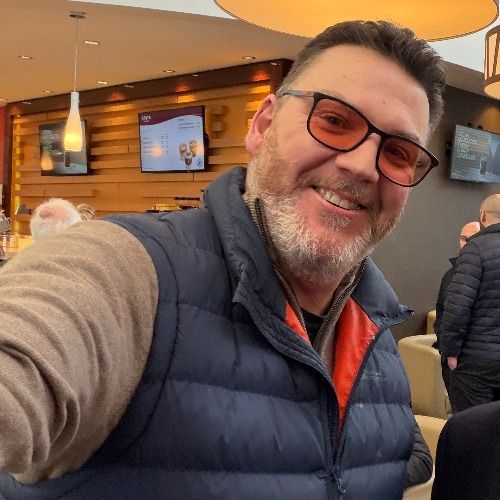
Ben Worthen is CEO of Message Lab, an award-winning agency that combines journalism, data and design to craft content and create experiences that get real results. Ben and his team help clients figure out how to tell stories that people actually want to hear.
Ben developed his storytelling and investigative savvy working as a journalist for 13 years, winning many national awards for news and feature writing. In 2007, he joined The Wall Street Journal, where he covered the tech industry and wrote more than 50 Page One stories. Before Message Lab, Ben was editor-in-chief at Ready State and head of content at Sequoia Capital.
Over the last two years, Message Lab has won 7 Content Marketing Awards and has been a finalist for 16 more. Current and former clients include Facebook, Google, GoDaddy, ServiceNow, Elastic, and Silicon Valley Bank.
Episode Sponsor
Salesflare is the perfect CRM for any small or medium-sized B2B business that wants to make more sales with less work. The CRM fills out itself, by synchronizing with your email, calendar, phone, social media, … and organizes all this data for you.
Its email integration is unrivalled. It's instant, imports email signatures tracks your emails on opens and clicks (with linked website integration), and brings your CRM right in your inbox.
Start making sales simpler. Use Salesflare's automation features and enjoy its simplicity. Setting it up only takes minutes.
I present a measured synthesis of my conversation with Ben Worthen, and I articulate the central themes we explored concerning content, audience engagement, and strategic communication. I describe Bens trajectory from investigative journalism to marketing leadership. I note how his journalistic discipline compels him to ask the critical question, why does anyone care, and how that imperative reshaped the way he frames messages for business audiences. I outline his principal assertion that organisations should shift from product-centric narratives to idea-centric relationships in order to cultivate sustained attention and trust. I recount Bens practical framework for content maturity. I summarise the three stages he proposes: create content with purpose, design an editorial calendar attuned to format and channel, and instrument analytics to measure meaningful engagement. I explain his argument that time spent with content and repeat return are truer gauges of value than raw page views or conventional bounce rates. I close by noting his metaphor of an idea store that leads naturally to a product marketplace when audiences understand the context and value behind offerings.
Takeaways:
- I explained that companies should focus on sharing ideas and addressing audience needs, not solely promoting products.
- We use the idea store metaphor to build repeated engagement and make people return before we ask them to buy.
- I noted that different formats serve different moments, so we should offer both audio and written transcripts to reach more people.
- We measure content success by time spent with the content and by repeat visits rather than by bounce rate or immediate purchases.
- I advised creating content with purpose, building an editorial calendar, and planning channel-specific promotion to improve results.
- I recommended running experiments, learning from failure with purpose, and iterating to incrementally improve content performance.
Transcript
Welcome to the SuccessIQ podcast, the show for entrepreneurs wanting to create and live an exceptional life.
Speaker A:I'm your host, Jeff Nicholson.
Speaker A:For those of you who are new to the show, welcome.
Speaker A:I'm an expert in performance and mindset supporting business owners to create exceptional results in life and business and I achieve this through coaching, training, speaking and my online programs.
Speaker A:I started this podcast to discover how other thought and business leaders create and enjoy success and to identify the common strategies and techniques as well as the mindset they have adopted to live their version of Exceptional.
Speaker A:My aim is simple.
Speaker A:It's for you to learn and implement the valuable lessons shared in these episodes.
Speaker A:You deserve to live and enjoy an exceptional life, but in order to achieve this, you will need to adopt new strategies and ways of thinking to accomplish your goals.
Speaker A:Now, don't forget to hit that subscribe button to make sure you don't miss any of these brilliant episodes.
Speaker A:Head over to geoffnicholson.co.uk to register for my Kick Mediocrity in the Nuts newsletter as well as all you need to know on how to connect with me on social media or join the Facebook group.
Speaker A:Now on with the show.
Speaker A:This episode is brought to you by Sales Flare, the super Easy to use CRM for small businesses selling to B2B.
Speaker A:Good morning, good afternoon, good evening wherever you are in the world.
Speaker A:I truly hope you are having an amazing week.
Speaker A:So so before we dive into our great guests this week, I just want to remind you that if you are interested in my new show that I'm launching very soon, Kick Mediocrity in the Nuts, then all you need to do is jump over to my website, go to gnocoaching.com where you can sign up to the newsletter and we'll make sure that you get to know all the latest goss, the news, what's coming up and strategies, tactics and all sorts of cool things that are going to help you create exceptional results in your life and business.
Speaker A:This is also going to be the last episode for the season.
Speaker A:We're going to take a couple of weeks break, get some more great guests lined up, recorded, edited and already for you.
Speaker A:So I'm really looking forward to that.
Speaker A:It's already looking really, really cool.
Speaker A:But today we've got a great guest, Ben Worthen.
Speaker A:Now Ben is the CEO of Message Lab, an award winning agency that combines journalism, data and design to create content that resonates with any audience.
Speaker A:Having studied more than 1 million people engage with online content, Ben is the Go to expert when it comes to customer engagement.
Speaker A:And brand storytelling.
Speaker A:Welcome to the show, Ben.
Speaker B:Hey, there.
Speaker B:Thanks for having me.
Speaker A:It is.
Speaker A:You are more than welcome, sir.
Speaker A:So before we dive in to the full conversation, could you give us a little bit of a backstory of how you got into all of this cool stuff?
Speaker B:Sure.
Speaker B:So I spent the early part of my career, and probably still most of it at this point, as a newspaper reporter, as a journalist.
Speaker B:And I was working at the Wall Street Journal covering technology out here in California.
Speaker B:And one of the things that, as a journalist, your job is to do, and believe me, I had very aggressive editors who reminded me about it every single day, was you have to just.
Speaker B:You have to see something, you have to hear something, and you have to act as a translator.
Speaker B:And the job of the translator is essentially to run everything you're hearing that you see in the world that you want to cover through the lens of, how can I make my audience care?
Speaker B:How can I hook a reader?
Speaker B:How can I make this thing that I'm seeing interesting and appealing?
Speaker B:And like I said, especially as a junior cub reporter, it manifests itself through an editor standing over your shoulder, maybe not hitting you, but it feels like it's saying, like, yeah, but why does anybody care?
Speaker B:Why does anybody care?
Speaker B:Why does anybody care?
Speaker B:And so I had that formative training, and I had this experience all the time, especially being someone who covered the tech industry, of having CEOs of tech companies, marketing officers of tech companies, walking into our newsroom and trying to pitch me on the latest and greatest thing that they were doing.
Speaker B:And I oftentimes found myself sitting there thinking, boy, nobody cares about this.
Speaker B:You are talking about a product that most people haven't heard of, or most people don't think of what they need.
Speaker B:And you're not framing up what you're doing in a way that's really interesting to people.
Speaker B:When I left journalism and ended up in the marketing world, I had this strong and overdeveloped sense of what makes a good story.
Speaker B:And I had this skepticism, if you will, of marketing born out of a conference room, the sort of inside out approach of what is it that you're trying to say?
Speaker B:As I've gained more experience, and this happened very quickly in the marketing world, I came to have a lot of respect for the rigor and the thoughtfulness and the craftsmanship that went into shaping that message.
Speaker B:And yet I still felt as though, for the most part, the people I was interacting with on the marketing side weren't applying that filter that we applied in the newsroom.
Speaker B:People weren't Asking, well, why does anybody care?
Speaker B:What is it that people care about?
Speaker B:If we step back for a moment, most people don't care about products.
Speaker B:At least most of the time.
Speaker B:If you want to buy something, information about a product is really helpful, it's really valuable.
Speaker B:But most people want to buy something 5% of the time, maybe 10% of the time.
Speaker B:Most of the time they're thinking about a problem that they have or they're thinking about something that they want to do.
Speaker B:The problem that they have isn't, boy, I need better accounting software.
Speaker B:The problem that they have is, oh, my books are a mess, or it's hard for me to run my business.
Speaker B:The formative insight that has launched this phase of my career has been that if all you're doing is talking about your product, you're missing 90% of the opportunities to have a meaningful interaction with somebody.
Speaker B:You're missing the opportunities to engage with them around the topics that they care about, but that you care about.
Speaker B:Also about the sort of the reasons behind why your product exists and for the ideas that you have in your company that are leading to the creation of whatever it is that you make or do.
Speaker B:And so, as I've moved into the marketing phase of my career and through Message Lab, our company, that's what we try to do.
Speaker B:We try to work with our clients and we try to take whatever it is that they want to say, whatever their message is, and we try help them run it through the filter of how do we make someone care?
Speaker B:How is this valuable to the real person that you're trying to reach?
Speaker B:How do we think about that audience as.
Speaker B:Not as customers, but as people?
Speaker B:And how can we try to reach them in all those moments where they're just not open to a product message and begin to form a relationship with them that way?
Speaker A:It's kind of like the people who go to networking events and think that as soon as they're having a conversation with them, they're trying to sell rather than nurture that conversation.
Speaker A:It's kind of like the same process.
Speaker A:Do you find that?
Speaker A:Because obviously, if you want, you've got the marketers and then you've got people who are running their own business trying to do everything and write the content.
Speaker A:Do you think for those types of people that just.
Speaker A:Or maybe it's marketers as well, they're just trying to get the content out there without any of that strategic thought process that you've just mentioned before?
Speaker B:Yeah, I think we see this a lot when we come in and start trying to Work with someone.
Speaker B:And it doesn't matter whether it's one person trying to do everything or whether it's a big company that's got thousands and thousands of pieces of content in an archive.
Speaker B:Merely making something and getting it into the world on the Internet is an accomplishment that can be hard.
Speaker B:It can be hard if you're an individual to make the time to write something and publish it.
Speaker B:And it can be hard if you're a company to have the people to write it, oversee it, and then do whatever you have to do organizationally in order to hive off some part of the Internet for content.
Speaker B:And if you're doing it, that's great.
Speaker B:That's the first thing that you need to do.
Speaker B:And we've certainly worked with a lot of clients who have made a lot of content and for whatever reason, it just never sees the light of day.
Speaker B:I'm sure we all have had that experience before, but the thing that you mentioned is what we consider to be that next phase of maturity, which is, are you making stuff with purpose?
Speaker B:It's not enough to, or rather.
Speaker B:If you want to truly be effective when it comes to using content, that second step is, is it part of a holistic strategy?
Speaker B:Have you figured out what is the kind of content you're making?
Speaker B:Have you thought about what is the moment in which someone is going to be interacting with this?
Speaker B:And I'll just give you an examp.
Speaker B:The kind of content that performs well on search is, you know, we've all seen it before.
Speaker B:It's, you know, it's the answer to the frequently asked question.
Speaker B:Right.
Speaker B:You know, the.
Speaker B:By almost by definition, a higher volume keyword search term is going to be something that a lot of people have thought to ask about.
Speaker B:And you are.
Speaker B:And so you, if you can have a neatly organized, clear and crisp answer to a commonly asked question, that's a tactic that's going to help you perform well in search.
Speaker B:Now, that same story isn't going to inspire somebody.
Speaker B:That same story isn't what people call finger quote, thought leadership.
Speaker B:You're not going to be on the vanguard of an idea.
Speaker B:Almost definitionally, if you are writing something that a lot of people are already thinking to ask about it is by definition thought following, not thought leadership.
Speaker B:A brand new idea that's never occurred to anybody before isn't going to perform well on search.
Speaker B:Now that doesn't mean it's not important.
Speaker B:It doesn't mean it's not going to help your business to have that idea out in the world and to get credit for it.
Speaker B:It just means that you need to realize that if you make that piece of content, it's doing a different job than that FAQ style piece that's designed for search.
Speaker B:So if you ask yourself that question, have you built editorial calendar, meaning a list of pieces that you're going to create, not just based on topics that are meaningful to your audience, but that are better thinking about what is the kind of piece that we're making, how are people going to find it?
Speaker B:What are the channels through which we're going to promote it so that we reach the people that, that we're trying to reach.
Speaker B:Once you take that step, that next thinking, that step, that is sort of that next phase of maturity where you're beginning to have a more strategic approach to content, that's going to begin the process of getting more results.
Speaker B:And as you might anticipate, I think there are more steps to being truly mature.
Speaker B:But that's a critical one.
Speaker A:Yeah, but I suppose as well as we've got that danger of there's two parts to this, number one the question would be is we've got this danger that there's people always trying to find the quick fix.
Speaker A:And I've noticed that there's quite a few AI content writing things out there where, oh, it'll write your blog in two seconds.
Speaker A:All you got to do is put a keyword in there and stuff.
Speaker A:They've got that danger of removing, as you were saying, that the personable bit and just having an algorithm.
Speaker A:Because I'm not 100%.
Speaker A:I mean, I'm dyslexic, they appeal to me.
Speaker A:But I can sit there and go, I'm a bit worried how indescript it would be.
Speaker B:Yeah, the ability to use AI data and machine learning and content is, you know, I think it's going to be very, very powerful.
Speaker B:I do not think it's going to manifest itself most valuably in writing the content for us.
Speaker B:You know, it's been, it's been a year or so since I've last tested one of these AI things and it's, it's really incredible how perceptive they are.
Speaker B:They can almost invariably figure out what the topic that you're trying to write about is and they can write sentences that in and of themselves feel structurally coherent.
Speaker B:But then if you actually take a step back and think about what is the idea that One of these AIs is written about, it doesn't make any sense whatsoever.
Speaker B:And you know, and I think, you know, if you, if all you're Trying to do is, you know, fill in the blank recap of a stock report, you know, where.
Speaker B:Where the writing itself is fairly templated, or, you know, write a recap of the ball game.
Speaker B:You know, you know, that that's the kind of thing that it can do.
Speaker B:But if you're really trying to talk about sharing an idea with the world that isn't there and it's not, frankly, close to there, although I assume progress will happen faster than anybody expects, I would say that in the world in which we operate, we're on a mission to get companies to stop talking about their product and to stop focusing on their sale.
Speaker B:Our goal is to, we use this metaphor of an idea store.
Speaker B:Everybody has a sense of what their product store is.
Speaker B:You know, it's on the shelf.
Speaker B:It's the stuff that you sell.
Speaker B:You know, about the kind of experience that you're creating, whether it's people calling up prospective customers or whether it's a luxury experience where you walk in and there's a red carpet.
Speaker B:But if there was an idea store next door and if the shelves were stocked with the things that you care about, not the things that you make or the things that your audience wants to know about or that would be valuable to your audience, but not your products, what would be on the shelves and what would the experience in that store be like?
Speaker B:We find that that's a helpful metaphor because what we try to do is we're trying to help you build that idea store.
Speaker B:And then what we're trying to do is make people repeat customers of your idea store, make them repeat customers of your ideas.
Speaker B:And if that's the case, they have to get value out of that first idea.
Speaker B:They're also not coming back.
Speaker B:And it's the same thing with a product store.
Speaker B:If you buy something and it breaks, you're not going to buy it again.
Speaker B:For us, making sure that somebody has a great experience with that first idea is critical.
Speaker B:So it's really putting the impetus on quality.
Speaker B:And I should say quality isn't necessarily the same as effort.
Speaker B:You can do things that are low effort, but that are high quality, or you can do things that are high effort and high quality, of course.
Speaker B:But what you really need to do is make sure that you are not just thinking about the value to you, the creator, but the value of the person who's going to consume it.
Speaker B:Then, just to follow through with the metaphor, when people come back and they are shopping through your ideas and they're looking at your ideas and they're buying your ideas, over and over again, we believe that eventually they're going to notice that there's a little doorway on the side of the store that connects to a product store.
Speaker B:And some of those people are going to be like, ooh, I want to put my head in and see what's in the connected shop next door, what's over there.
Speaker B:I haven't noticed it before.
Speaker B:And then those people, we believe, are going to be better customers, more valuable customers, because they already understand why those products exist.
Speaker B:They have all of that context, and you're not asking them to fill that in themselves when they first walk into that product store.
Speaker A:And you know, when you.
Speaker A:When you're talking about content, are you talking, like, majority, it's written content that works like that, or does it work the same with video?
Speaker A:Or, for example, podcast does do.
Speaker A:When you've.
Speaker A:When you've done this sort of.
Speaker A:When you've experienced all of this, the million engaged people online, is there a difference with the different types of content?
Speaker A:Which one performs better to others?
Speaker B:I think it's a no.
Speaker B:Let me put it this way.
Speaker B:I think some people are going to listen to this podcast here, and they're going to listen to it because they're driving somewhere or they're taking their dog for a walk.
Speaker B:When I'm taking my dog for a walk, I listen to podcasts.
Speaker B:When I'm sitting at my desk, I'm looking at my computer, and I'm just scanning the headline.
Speaker B:I'm the same person.
Speaker B:I have the same problems.
Speaker B:It could even be the same day.
Speaker B:The needs that I'm experiencing most are largely the same.
Speaker B:I'm in a different moment, and different moments call for different form factors, different modes of engagement, or whether I just want to listen to something or whether I want to read it.
Speaker B:So I think we believe that the answer in most cases is sort of yes.
Speaker B:And it is.
Speaker B:With podcasts, just as an example, what we see performs best is when you have a podcast, but then you actually include the transcript in the place where that podcast is posted, you're creating more avenues for someone to find the podcast.
Speaker B:You know, the copy, the words are going to show up in search, and you're creating a different kind of experience that someone can have because someone can either, you know, read along with the podcast with what they're hearing, which is a behavior that we see, or if they don't want to listen, they can read or they can listen.
Speaker B:And I think.
Speaker B:And I think we believe, you know, going back to your point about AI, eventually I think we'll get to a point where we can perfectly predict whether someone must have an audio experience or a reading experience.
Speaker B:But you know, for the time being, we can't do that yet.
Speaker B:And so we just want to make sure that we give people choices.
Speaker A:Yeah, that makes sense.
Speaker A:That makes sense.
Speaker A:I suppose another important part of the I suppose of anything is paying attention to the metrics as well, understanding which ones are performing the best.
Speaker A:But there are so many metrics out there.
Speaker A:Which ones actually are the ones that benefit us in understanding what the one that's the content that's working the most effectively.
Speaker B:Yeah, that's a great question.
Speaker B:And it's one that we see people having what we believe is a mistaken point of view on all the time.
Speaker B:And to go back to that question we were having about maturity, the next level up in terms of maturity, once you are making stuff with purpose, would be are you able to properly evaluate what's happening, what's working, and what's not working for us?
Speaker B:I don't want to turn this into the analytics nerd show here, but if we think about the value proposition that we're trying to make with this idea store I was talking about before, the fundamental trade that we're trying to make is we are going to share an idea with you and we want you to find that idea valuable.
Speaker B:We're not asking you to buy something success is not based on.
Speaker B:Did you click the Buy now button?
Speaker B:And in many cases for many companies, the product or the service they sell is not one that you're going to buy.
Speaker B:If I am researching a neighborhood that I might want to live in, I'm not going to click the buy now button to buy a house.
Speaker B:I'm going to go to that neighborhood, I'm going to look at that house, and so forth.
Speaker B:Or if I sell a million dollars of software packages, no one's going to read a blog post about how work is changing and then click the link to buy a million dollars worth of software.
Speaker B:It's just not something that we can expect people to do.
Speaker B:So we have to look at something else.
Speaker B:And what we tend to look at is did you spend time with it?
Speaker B:For us, did you spend time with this idea that we had is the truest and most direct measure of did you find it valuable?
Speaker B:Beyond that, there's some qualitative things you can always ask, hey, was this valuable?
Speaker B:Thumb up or thumb down, which we like to do.
Speaker B:And there's other actions that can be proxies for it as well.
Speaker B:Did you share it or not Share it, but most people, even if they really like something, aren't going to share it.
Speaker B:Similarly, did you sign up for email so that we can send you more content?
Speaker B:That's something that we love to giving people the opportunity to do, and we love it even more when they do it.
Speaker B:But it's not, you know, it's not the truest answer of did you find they.
Speaker B:Did you.
Speaker B:Did you get value out of it?
Speaker B:So we look at time, we look at whether people come back.
Speaker B:We look at these things in connection with one another.
Speaker B:Did people who spent time with any particular article or any particular idea?
Speaker B:An article is probably a manifestation of an idea.
Speaker B:Were they more likely to come back than other people did?
Speaker B:People who came through one channel in particular, were they more likely to come back than other people do people who come from search come back Oftentimes an action that we see is that people who are coming from search are just trying to answer a question that they have.
Speaker B:The most common behavior is you type something into Google, you find an answer, you seek out the answer, and then you go back to Google and you look at somebody else's answer and you compare and contrast them.
Speaker B:Do those people come back is another question.
Speaker B:And then we would.
Speaker B:Whenever possible, we try to reverse engineer patterns of behavior that lead to the outcomes that our clients want.
Speaker B:At the end of the day, if you're a real estate agent, it's nice to provide someone valuable information about a neighborhood.
Speaker B:But what really is helpful if you sell them a house.
Speaker B:So can we build some sort of connective tissue so that we understand what is the behavior with regards to content of people who go on to buy houses and how does it differ from people who don't go on to buy houses?
Speaker B:I think what we tend to see is that people do have to engage with your content multiple times before they're going to go on and become a qualified lead or before they're going to go on and buy something.
Speaker B:So that then for us is a signal that, okay, great, the thing that we need to do is make sure that we're creating opportunities for people to come back.
Speaker B:And that type of thing, whether that's through retargeting, whether that's through getting you to sign up for email, that's where you get into the experimentation and in another phase of maturity.
Speaker B:But the most important thing as the foundation for that third level of maturity is are you instrumented to be able to see this behavior?
Speaker B:Because I think most people, if you're just using Google Analytics out of the box, you don't actually know how to see the things that I'm just talking about.
Speaker B:You might see here's our page views and here's our bounce rate, and here's our.
Speaker B:Whatever it is.
Speaker B:But the reality is bounce rate in particular when it comes to content is a really misleading stat because again, think of that person who's coming from Google.
Speaker B:If they come to your site and they come from Google and they find the answer to their question and they stand 10 minutes on it and then they're fully satisfied, they got amazing value out of it, they're still going to go back to Google, and that's a bounce.
Speaker B:And so if you're just looking at a scorecard based on bounce rate, you're scoring that one in your loss column.
Speaker B:But if you're thinking about it in terms of that question, did we create value for somebody you really won.
Speaker A:Yeah.
Speaker A:It's funny because you're right.
Speaker A:I think sometimes, especially people who are doing it all on their own and they, they don't have.
Speaker A:They just do the mechanics of it because they've read it in a book and that's what you do.
Speaker A:And I was the same with the podcast when I first launched it.
Speaker A:Everything I was looking at was at the website, but I was looking going, God, Jesus, there's no listeners to this damn thing.
Speaker A:And I'm on episode 35 and there's still no one listening to.
Speaker A:Wasn't until I started to, I think I moved to a different host provider and they provided me with all of these stats that was like 17 different countries and 500 people to listen to this episode and stuff.
Speaker A:And I all of a sudden went, ah, right, okay.
Speaker A:And you're right.
Speaker A:Is it.
Speaker A:You start to get.
Speaker A:You get a little.
Speaker A:Well, I certainly do.
Speaker A:I get a little bit geeky on the figures just trying to go, okay, what?
Speaker A:Because, as you say, is that the bounce is always the first one that I was taught.
Speaker A:Like, look at how quickly people are on and then off.
Speaker A:But as you say, if you've got it on different places, you're not actually really benefiting from the data because it's like a misnomer, really.
Speaker B:Yeah.
Speaker B:What's interesting is that a lot of analytics, as we're all taught about it, really come from the world of E commerce.
Speaker B:If you think about E commerce, if you have somebody who comes to a product page and they don't hit buy now or they don't go to the shopping cart, or if you have someone add their shopping cart and then they don't hit checkout and they bounce from that way.
Speaker B:That's really meaningful, that's impactful, because the value that you're trying to provide is in that transaction.
Speaker B:But in the world of content, the world of your podcast, in the world of content that we're creating for our clients, that's not what we're trying to do.
Speaker B:We're trying to do something quite different.
Speaker B:You're trying to get someone to listen to your podcast and have a great experience doing it, come to your site, listen to your podcast and don't take another action.
Speaker B:That's still a win, but that's also a bounce.
Speaker B:So we have to train ourselves to look at different stats, but even more so, we actually have to.
Speaker B:If we're going to instrument things properly, we actually have to go into analytics and do some lightweight customization, let's say, in order to surface the information that's actually going to be valuable for us so that we can make informed decisions.
Speaker B:Because it's not happening out of the box.
Speaker A:No.
Speaker A:And I think that sometimes people can be very guilty of.
Speaker A:If you build it, they will come sort of process.
Speaker A:And it depends how you've built it, really.
Speaker A:I suppose it depends on the.
Speaker A:Like, you're talking about that enriching content not just by now, because that doesn't, you know, how are they going to find you?
Speaker A:Where are you educating them?
Speaker A:Where are you sort of going through the stories of how people have learned from that or whatever than not finding the destination that you're wanting because you haven't put it there.
Speaker B:Yeah.
Speaker B:And I would say for us, thank you for the setup.
Speaker B:I mean, that's what we would consider that fourth level of maturity, which is are you taking action based on the behavior that you're seeing and are you changing things in order to test different kinds of outcomes?
Speaker B:And that experimentation and action will come from a lot of different places.
Speaker B:In some cases, it's promotion.
Speaker B:If all of your good quality traffic is coming from social, let's say, what does that mean?
Speaker B:Do you need a different kind of content that's going to perform better on other channels?
Speaker B:Do you need to do more to customize what you're making for social?
Speaker B:Do you need to have CTAs on your site that are more purposeful for people who are coming from social media, you know, or, you know, or if, you know, if no one is, you know, having a.
Speaker B:If people, you know, we'll see this all the time, where sometimes it's a UX question, you know, you have a lot of people who are coming to your site you know, this is something that we see through search a lot, where you have an article that ranks highly for search terms, but the traffic isn't doing anything.
Speaker B:You know, we've had clients where, you know, we see 100,000 people a month or coming to their content from search, but nothing else happens.
Speaker B:Why is that?
Speaker B:Is it because we've seen a range of actions?
Speaker B:We've seen it because the UX is wrong, where you have a lot of people who are leaving before they really even read the article because the design is bad and creating a bad experience for them.
Speaker B:We've seen it too, where you have someone coming from search and the cta is that Buy now cta?
Speaker B:We just know nobody's going to do it.
Speaker B:Can we change the CTA to say, here's another piece of content that might be relevant to you, Then when we make that change, we might see that more people stick around and spend more time with you.
Speaker B:Or is it that.
Speaker B:Is it an intent issue?
Speaker B:We've seen it before where there's a client that ranked really high for the search term causation versus correlation.
Speaker B:Now, they were selling data analytics software, but all the traffic was coming from psych majors in college.
Speaker B:And so you have an intent misalignment.
Speaker B:And so you may be ranking really high for a popular search term, but you're not ranking with the audience that you're trying to reach.
Speaker B:As an example.
Speaker B:So once you have.
Speaker B:Once you're able to get insight from data, that in and of itself is just a means to an end.
Speaker B:In the end, that it's a means to.
Speaker B:Is being able to allowing you to test lots of different stuff.
Speaker B:You can test different content formats, a podcast versus an article.
Speaker B:You can test different layouts, you can test different CTAs, you can test different ways of promoting your content through a paid campaign on Facebook.
Speaker B:And how does that compare to a paid campaign on LinkedIn?
Speaker B:It and really begin to.
Speaker B:Some experiments will succeed and some will fail and you do more of the things that are successful and you stop doing the things that fail and you try some new things as well.
Speaker B:And on and on and on and on.
Speaker B:And eventually, incrementally, you're improving the entire time.
Speaker A:No, that's cool.
Speaker A:That's brill.
Speaker A:That's brill.
Speaker A:Okay, so what we're going to do now is we're going to jump over to the second part of the show where I ask you a set of questions that I ask every guest who comes on.
Speaker A:So, sir, are you ready?
Speaker B:Yes, I am.
Speaker A:As I mentioned, this episode is sponsored by Sales Flare.
Speaker A:So do you have more work with your CRM than you can keep up with?
Speaker A:While other CRM software expects you to fill it out manually, Sales Flare automates all of the data input for you.
Speaker A:All you need to do is just head to salesflare.com and using the code SuccessIQ, you can get 20% off for the next three months.
Speaker A:Join me and many other users around the world in using this automated and super easy to use CRM for small businesses selling B2B.
Speaker A:Now on with the show.
Speaker A:Okay, question number one.
Speaker A:On average, how much time roughly do you dedicate to self development?
Speaker A:A week?
Speaker A:That could be body, mind and spirit.
Speaker B:Oh, nowhere near enough.
Speaker B:Body gets precious few hours a week.
Speaker B:I would say mind maybe a little bit more in spirit.
Speaker B:I have three kids and so I would say that all the time that I get to spend with them really does improve my spirit.
Speaker A:Cool, cool.
Speaker A:Number two, what book, and it can be any book, has made the biggest impact to your self development or personal growth and why?
Speaker B:I'm an avid reader of biographies and I'm the person who you would see who has those ponderously long biographies of various people on his bedside table.
Speaker B:And so I read those, I try to devour them, frankly, just with the mind of trying to understand how other people handled other situations and trying to extract lessons from that.
Speaker B:There's not one in particular, but I have over the course of a decade now read dozens or more of these and trying to extract little lessons from them.
Speaker B:The other one that I would say more professionally is the book Thinking Fast, Thinking Slow by Daniel Kahneman, who's a behavioral economist, is really a book that has informed the way I think about the work that we're doing in the sense that we're trying to.
Speaker B:People make decisions and they make big decisions and make small decisions.
Speaker B:But in the world of content, do I want to stay on this webpage Is a decision.
Speaker B:Do I want to scroll Is a decision.
Speaker B:Do I want to read another word or listen to another minute Is a decision.
Speaker B:That book helped me think through all the various layers of decision making that the people that we're trying to reach are going to do.
Speaker A:Yeah, that's cool.
Speaker A:That's cool.
Speaker A:I'm reading my favorite.
Speaker A:I don't even know whether it's classed as an autobiography, but south by about Shackleton and when he got stuck.
Speaker A:I love that one.
Speaker A:That's one of my favorite.
Speaker B: picked up this book from the: Speaker B:And I picked it up one night at like nine o' clock at night, probably at six in the morning.
Speaker B:I put it down, you know, complete.
Speaker B:It's just such an epic story.
Speaker B:It's amazing.
Speaker A:It is, yeah.
Speaker A:And the fact that he never lost, isn't it?
Speaker A:Yeah, yeah.
Speaker A:For what they had to go through, it was, it was absolutely mind boggling.
Speaker A:And the one I've just ordered is about Stanley Livingston, I presume.
Speaker A:So I'm looking forward to reading that one and see what that is about.
Speaker A:But I think you're right.
Speaker A:I think it's.
Speaker A:My granddad always said that read the books of other greats that have gone before you because you never know what gems of information you're going to pull from that because most of them lived in a different time.
Speaker A:Or Richard Branson's book I like as well.
Speaker A:But it's always quite interesting how you do, how you read them and listen to them and the interpretations of the people that may have written it if it's not been the actual person.
Speaker A:So sometimes it's really quite cool.
Speaker A:Number three, what app makes the biggest impact to your business or personal life?
Speaker B:That's a good question.
Speaker A:I love getting guests to sweat.
Speaker A:It's like, holy crap, man, just let me pick one.
Speaker B:Yeah, I know.
Speaker B:I mean, I don't know.
Speaker B:Email, Slack app professionally.
Speaker B:I mean, I think that, you know, I think that we communicate a lot using app tools.
Speaker B:In terms of my personal life, I, believe it or not, have tried to really cut down drastically the amount of social media I consume.
Speaker B:But I do consume news and being in the line of work that I'm in, looking not just at news but the way it is presented in terms of the sort of the ux, where are their subheads, how heavy is the images, what is the text density, that kind of stuff, Those are all things that I like to pay attention to and that give me pleasure and that make both that personal and professional impact.
Speaker A:Cool.
Speaker A:Cool.
Speaker A:Okay, number four, what your biggest business mistake that turned into a valuable lesson and what did it teach you, where to start?
Speaker B:I mean, I feel like you make a new mistake every single day.
Speaker B:No, I would say, I think I mentioned at the beginning of the show how I made this transition from journalism to marketing.
Speaker B:And one of the things in journalism is your loyalty is to the story and it really isn't too much more than that.
Speaker B:And I would talk to people for the stories that I was creating.
Speaker B:I always wanted them to like the work and I always wanted them to like me.
Speaker B:But it didn't really matter if they liked the work or if they liked me.
Speaker B:And there were some cases where in order to do the best story, I was going to make an enemy and I was going to make somebody upset.
Speaker B:And that was just the way it is.
Speaker B:Your loyalty is the story and that's what you create.
Speaker B:And I learned quickly as I made a transition to marketing that that's not really what's most important in this world.
Speaker B:There's a service element that doesn't exist when you're creating an article for the Wall Street Journal.
Speaker B:That success is not merely is the work good, but did the client like the work?
Speaker B:Did the client like working with you?
Speaker B:And did you like working with the client?
Speaker B:Because I don't think that you're going to have a successful long term relationship unless you can check every single one of those boxes.
Speaker B:I had learned that the hard way though, because I was initially too focused on that first one, is the work good?
Speaker B:And I would butt heads with anybody who would get in my way, regardless of whether they were the ones writing the check or not,.
Speaker A:That getting on with the client.
Speaker A:And you're so right, because your gut tells you straight away if it doesn't feel right, and quite especially at the beginning, an awful lot of people fight that, but then generally it'll come true and they'll be like, damn, I wish I'd just listened.
Speaker B:Yeah.
Speaker B:And, you know, and I also feel like I've come to appreciate that the best work comes from an environment where there's really good collaboration, you know, and the best work has to be, you know, not just something that looks cool when you put it online, but that really achieves its goal, you know, that really, you know, you know, it meets all of those factors.
Speaker A:Yeah, absolutely.
Speaker A:Absolutely.
Speaker A:At question number five, what are your challenges in harmonizing work and life and how do you manage them?
Speaker B:Yeah.
Speaker B:Acceptance that I have challenges harmonizing work and life is sort of how I manage that.
Speaker B:Yeah.
Speaker B:No, I mean, you know, it's hard.
Speaker B:You know, I, you know, I, you know, I think I have just sort of created a life for myself where I'm just being truthful here, where I focus on my family and I focus on my work and, you know, and those are my two priorities.
Speaker B:And I wish I did each of them better than I do, but I am fully committed to each of them and it comes at the expense of everything else.
Speaker B:Those other things you asked in question one, Mind, body and spirit.
Speaker B:I would love to be at the gym three hours a day, but I Find it more satisfying if I spend an extra hour and a half working an extra hour and a half with my kids.
Speaker A:I think you're lying.
Speaker A:I don't think you want to be at the gym for three hours a day.
Speaker B:All right, but half an hour maybe,.
Speaker A:But I know what you mean.
Speaker A:Question number six.
Speaker A:What advice would you give an entrepreneur that you wish you had known starting out?
Speaker B:So, you know, again, at the risk of psychoanalyzing myself, you know, the fear of failure has always been something that has motivated me, and being an entrepreneur is a risky endeavor.
Speaker B:I think the thing that allowed me to start a company that is the risk and is the lesson that I would pass on to somebody else who's thinking about it is to properly size up the risk of failure, which is I have the privilege of living in San Francisco Bay Area, where you go to the coffee shop shop, and you meet 10 people who have started a failed startup.
Speaker B:But there's this.
Speaker B:Even if you try, failure isn't failure.
Speaker B:Failure with purpose is success.
Speaker B:And that goes back to those things I was talking about with regards to the experiments that we run for our clients.
Speaker B:It's a different scale, obviously, than starting a company, but if.
Speaker B:If you are set up to learn from a failure, and if you're set up to learn from a mistake, that's valuable.
Speaker B:And frankly, it's more valuable than never having failed in the first place.
Speaker A:I think that's the thing, is if people actually stopped and thought about what they've learned from not failing, it would be very little.
Speaker B:That's a great way of putting it.
Speaker A:You wouldn't be walking for a start.
Speaker A:And it's.
Speaker A:As we get older, we lose that almost childlike approach to things where it's like, our bollocks have fallen over.
Speaker A:Let's just get back up and keep on going.
Speaker A:We wear those stars.
Speaker B:I'm going to steal that, by the way.
Speaker B:Yeah.
Speaker B:What have you learned from not failing is going to go straight into my.
Speaker B:Right into my.
Speaker B:My lexicon, try to properly attribute it to you.
Speaker A:Number seven is, what is your definition of success?
Speaker B:I'll go back to the thing I said before.
Speaker B:Is the work good?
Speaker B:Does the client like the work?
Speaker B:Did the client like working with you, or did you like working with a client?
Speaker A:And number eight, do you have any daily routines or rituals that have a huge positive impact to your day?
Speaker B:Well, to betray the answer that I gave earlier, yeah, I try to go to the gym.
Speaker A:Three hours.
Speaker B:Yeah, I go to the gym for three hours.
Speaker B:No, but I do have a little bit of an exercise routine that I do every single morning.
Speaker B:I have my first cup of coffee and sort of check email and check my calendar and triage some of the work for the day ahead.
Speaker B:And then I go outside and I do have a little routine that I do with some exercise and a second cup of coffee.
Speaker B:And that's always a nice way to start my day.
Speaker A:Do you see the sea where you are, where you're living?
Speaker A:Or is it just a mist that always seems to be portrayed?
Speaker B:No, we live sort of, I would say, a few ridges away from the ocean.
Speaker B:So it's.
Speaker B:So there's a nice sense that we're there, but I don't get to sit outside and look at the ocean in grand fashion or anything like that.
Speaker A:You can just see one of the warning lights on the top of the Golden Gate Bridge and that's, you know, it's over there.
Speaker A:Brilliant.
Speaker A:Ben, we're at the end of the show, an opportunity for you just to share how we can find out more about you.
Speaker A:Where is the best place for people to go to connect if they want to know more about you and about Message Lab?
Speaker A:Please take it away.
Speaker B:Yeah, thank you.
Speaker B:So if you want to learn more about Message Lab, you can type Message Lab into Google or you can just go to messagelab.com and if you want to learn more about me or connect with me, type my name, BenWorthen into LinkedIn and I should be the first person who shows up.
Speaker A:Fantastic.
Speaker A:Ben, thank you so much from taking time out of the gym and joining us today.
Speaker B:Yeah, well, I've got two more hours of working out to do after this one.
Speaker A:I appreciate you while you been on the peloton, but thank you so much and I've really, really enjoyed it.
Speaker A:I've got loads from it myself.
Speaker A:I'm sure the listeners have as well.
Speaker A:So just wishing you the greatest success.
Speaker B:Great.
Speaker B:Thank you so much.
Speaker B:I appreciate you having me.
Speaker A:So, first of all, just let me say a massive thank you for joining me today.
Speaker A:It's lovely to know that you're out there listening and it's great to have the emails that I get from you with suggestions about the show and what you think about the show.
Speaker A:That's really nice.
Speaker A:Really does help me make the show even better.
Speaker A:If you'd like to find out more about me and the types of services I offer or my social media links, then please visit www.jeff nicholson.uk.
Speaker A:You can also join us on the Facebook page, just search for Success IQ podcast.
Speaker A:And that's a new page that we've put up that I'm trying to grow and develop.
Speaker A:So you can tune in and find us on other stations such as Stitcher, SoundCloud, TuneIn Radio, and of course, itunes.
Speaker A:And if you have the time, it would be great if you could pop over there, leave a rating, leave a review, because it really does help me grow the show and make the impact that I'm really looking for.
Speaker A:So just to say, I hope you have a fantastic week.
Speaker A:I wish you the great success and I look forward to speaking to you next week.
Speaker A:Take care.